
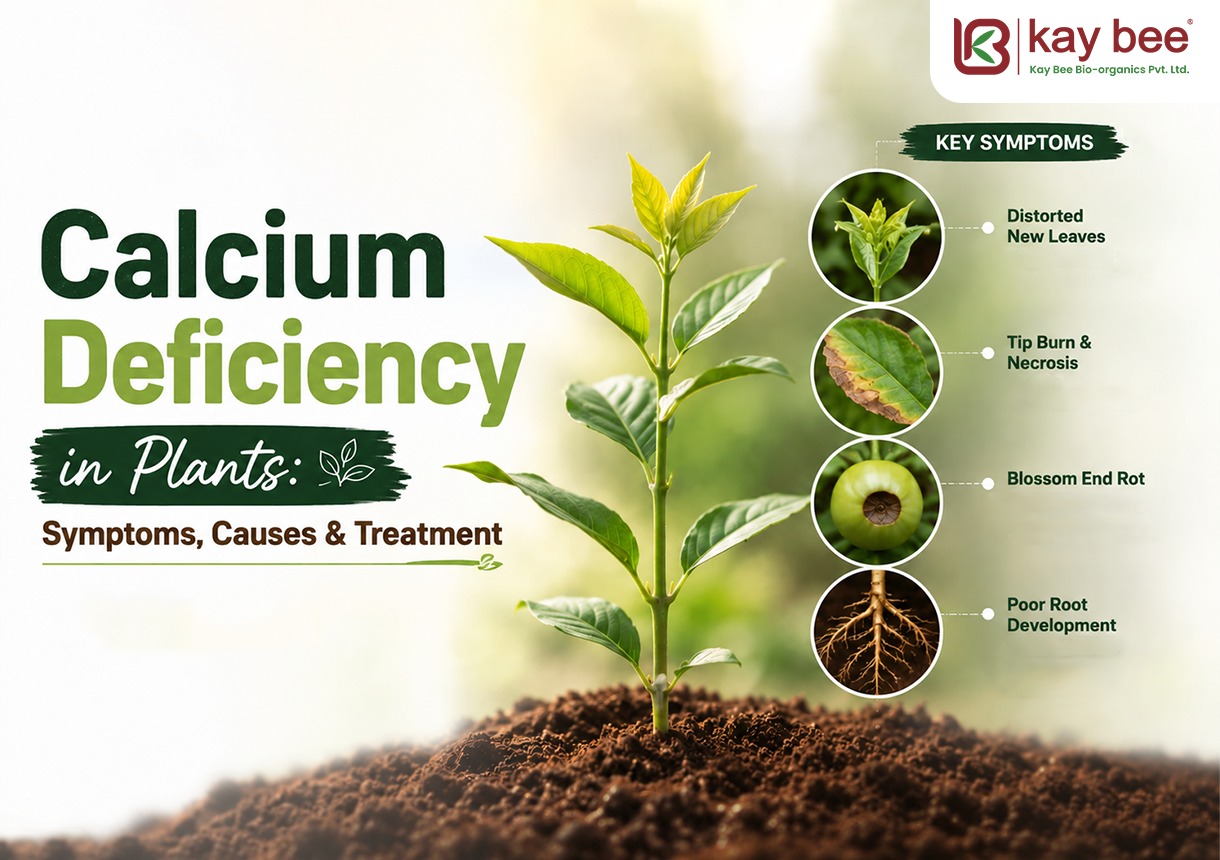
Calcium Deficiency in Plants: Symptoms, Causes & Treatment
Learn why timely calcium nutrition is essential for healthy crops.
Every farmer is a parent in the field. You don’t simply grow a crop. You raise it.
From the day the seed is sown, you watch over it with care. You irrigate on time, protect it from pests and diseases, apply fertilizers, and hope every plant grows into a healthy and productive crop. You celebrate new growth and worry when something doesn’t look right.
After all, months of hard work, patience, and care go into every harvest.
Just like parents ensure their children receive the right nutrition for healthy growth, crops also need essential nutrients at every stage of development. One of the most important among them is calcium.
Many people associate calcium with strong bones in children. In crops, calcium plays a similar role. It helps build strong cell walls, supports root and shoot development, improves nutrient movement within the plant, and contributes to better fruit quality and shelf life.
But when crops don’t get enough calcium, they start showing signs of stress.
At first, a farmer may think it’s a disease, a pest problem, or weather-related stress. The reality is often much simpler.
The crop is asking for calcium.
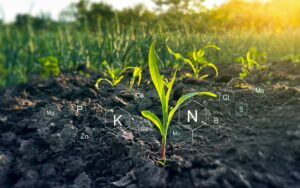
Calcium Deficiency Symptoms in Plants
Common calcium deficiency symptoms in plants include:
- Blossom end rot in tomato, chilli, and capsicum
- Fruit cracking in pomegranate, grapes, and other fruits
- Burnt or damaged leaf tips
- Weak stems and poor plant vigor
- Reduced fruit firmness and shelf life
These symptoms can significantly affect crop quality, market value, and overall yield.
Why Calcium Deficiency in Crops Occurs
Many farmers assume calcium deficiency occurs only when the soil lacks calcium.
However, calcium deficiency in crops can occur even when calcium is present in the soil. During flowering and fruit development, crops demand large amounts of calcium. Factors such as irregular irrigation, poor root activity, environmental stress, or rapid growth can limit calcium uptake.
As a result, deficiency symptoms begin to appear in the fastest-growing parts of the plant.
This is why timely calcium management is essential.
How to Fix Calcium Deficiency in Plants
The most effective approach is to provide calcium in a form that plants can absorb quickly.
Foliar calcium applications help deliver calcium directly to growing tissues, allowing plants to respond faster and continue healthy development during critical growth stages.
Calcium Deficiency Treatment for Plants with CALBOOST
When your crop needs calcium support, CALBOOST helps deliver it efficiently.
CALBOOST is a high-performance liquid calcium fertilizer for plants containing 11% highly bioavailable calcium. Powered by Dual Mobility Calcium Technology (DMCT) and Anti-Cracking Shield Technology (ACST), it helps calcium reach actively growing tissues where it is needed most.
CALBOOST helps:
- Correct calcium deficiency rapidly
- Reduce blossom end rot and fruit cracking
- Improve fruit firmness and shelf life
- Strengthen plant structure and growth
- Support healthy flowering and fruit development
- Enhance crop quality and yield potential
Every Growing Crop Deserves the Right Nutrition
A child cannot reach their full potential without proper nutrition. The same is true for crops.
As farmers, we do everything possible to protect and nurture it from sowing to harvest. Providing the right nutrition at the right time is one of the simplest ways to help crops overcome challenges and reach their full potential.
So don’t wait for calcium deficiency symptoms to appear. Take care of your crop’s calcium needs before they become a problem.
And when it comes to supporting healthy crop growth, CALBOOST stands beside farmers every step of the way.
View Product: CALBOOST – Calcium Fertilizer for Plants
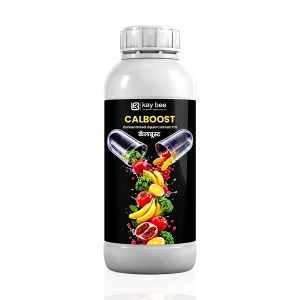
Protect your crop’s yield — try CALBOOST today. Contact your nearest dealer or visit the product page to order.
Frequently Asked Questions (FAQs)
1. Can calcium improve the market value of my produce?
Answer: Yes. Crops with better firmness, appearance, and shelf life are more likely to attract buyers and fetch better prices in the market.
2. Is calcium important only for fruit crops?
Answer: No. Calcium is important for all crops, including vegetables, fruits, cereals, pulses, and plantation crops, because it supports healthy plant growth and development.
3. Does calcium help crops during environmental stress?
Answer: Yes. Adequate calcium nutrition helps plants maintain stronger cell structures, making them more resilient to stress conditions such as heat and moisture fluctuations.
4. Can calcium improve the storage life of harvested produce?
Answer: Yes. Calcium helps maintain fruit and vegetable firmness, which can reduce post-harvest losses and improve storage and transportation performance.
5. Why do young leaves often show calcium deficiency first?
Answer: Calcium moves slowly within the plant. As a result, newly developing leaves, shoots, flowers, and fruits are often the first parts to show deficiency symptoms.
6. Does calcium have any role in root health?
Answer: Yes. Calcium supports the development of strong and healthy roots, helping plants absorb water and nutrients more efficiently.
7. Can regular calcium nutrition improve crop uniformity?
Answer: Yes. Proper calcium availability supports balanced growth, leading to more uniform flowering, fruit development, and crop quality across the field.
Latest Blogs
 Brown Plant Hopper Paddy Organic Control with Pesto Raze & Mealy Raze
 Mycorrhiza Technical Manufacturer in India | Kay Bee Bio-Organics Pvt. Ltd.
 Cotton Whitefly Management During Square Formation Stage: Effective Control with Pesto Raze & OrgaNeem
 Calcium for Cabbage Head Formation: How Calboost (Ca-11%) Ensures Tight & Crack-Free Heads
 Citrus Canker Organic Control: A Complete Farmer’s Guide
COPYRIGHT © 2026 - ALL RIGHTS RESERVED. MADE BY WebAppGigs