
No products in the cart.

May 15, 2025
Best Red Mite Treatment: Effective Organic Solution for Safe Farming
Are Red Mite silently destroying your crops? Struggling to find a solution that’s effective yet safe for your crops? Red mites are among the most troublesome pests for farmers, gardeners, and horticulturists. These tiny pests feed on plant sap, causing yellowing, wilting, and ultimately reduced crop yield. Finding the best red mite treatment is crucial to ensure healthy crops, especially in organic farming with limited chemical options. In this blog, we’ll explore the importance of controlling red mites, what makes a treatment effective, and why Kay Bee Bio’s R-Mite stands out as the best treatment available today.
Best Red Mite Treatment: Protecting Your Crops with Kay Bee Bio’s R-Mite
Red mites, also known as spider mites, are one of the most troublesome pests that farmers and gardeners deal with, especially during the hot summer months. These tiny pests can significantly impact crop health, leading to reduced yields and poor-quality produce. we’ll explore how red mites attack crops, why they thrive in high temperatures, and how their infestation decreases crop quality. We will also discuss the best red mite treatment available, Kay Bee Bio’s R-Mite, an effective and organic solution.
How Red Mites Attack Crops:
Red mites are tiny arachnids that feed on the sap of plants. They have specialized mouthparts called chelicerae, which allow them to pierce the plant’s cells and suck out the nutrients. As they feed on the plant’s sap, they cause physical damage to the plant tissue, resulting in a variety of symptoms such as leaf discoloration, yellowing, and wilting. In severe cases, the entire plant may die.
Red mites primarily attack the undersides of leaves, where they can hide and remain protected from natural predators. As they multiply quickly, the infestation spreads rapidly, making it harder for farmers to control them effectively.
The feeding behavior of red mites also triggers a defensive response from the plant. The plant may produce chemical compounds that are harmful to the mite, but in doing so, it redirects its energy from growth to defense, which can further reduce its overall health and productivity.
Why Red Mites Attack During Summer and High Temperatures
Red mites are ectothermic organisms, which means their activity is highly influenced by temperature. They thrive in hot, dry environments where the temperature is between 25–30°C. Summer, with its high temperatures and low humidity, provides an ideal environment for red mites to multiply.
During the warmer months, crops are also under stress due to the heat, making them more vulnerable to pests like red mites. The lack of moisture during the summer months weakens the plant’s defense systems, allowing red mites to feed more aggressively. Furthermore, the high temperatures speed up the reproductive cycle of red mites, leading to an explosion in their population within a short time.
This rapid multiplication and increased activity during summer months cause significant damage to crops. If not controlled in time, red mites can lead to extensive crop loss, especially in commercial farming operations where large areas of crops are grown.
How Red Mites Decrease Crop Quality:
The damage caused by red mites isn’t just about aesthetics; it affects the overall quality and yield of the crops. As red mites suck out the sap from the leaves, they reduce the plant’s ability to perform photosynthesis, the process through which plants make their food. Without sufficient energy, plants struggle to grow and produce fruit or flowers.
The continuous feeding by red mites weakens the plant, making it more susceptible to other diseases and pests. Crops like tomatoes, grapes, and leafy vegetables are particularly vulnerable to red mites because their tender leaves are ideal feeding grounds for these pests. The symptoms of red mite infestation, such as yellowed, speckled leaves and stunted growth, directly impact the crop’s market value, making them less attractive to buyers.
In addition, in the case of fruit-bearing plants, red mites can cause premature fruit drop, lower fruit quality, and reduce overall yield, further hurting the profitability of the farm. This makes controlling red mites a priority for farmers looking to maintain crop health and quality.
How Kay Bee Bio’s R-Mite Helps as an Effective Solution for Red Mite Control:
When dealing with red mites, an effective solution is crucial to prevent crop damage and reduce economic losses. Kay Bee Bio’s R-Mite is an organic solution specially formulated to control red mites at all stages of their life cycle. This natural product has been developed using botanical extracts, making it safe for both the environment and the crops.
Also Read: Effective Organic Methods for Tomato Whitefly Control
Why R-Mite is considered the best red mite treatment:
1) Quick Knockdown Action:
R-Mite is effective at quickly reducing red mite populations upon contact. It works by disrupting the pest’s nervous system, leading to rapid knockdown without harming the plant. This is especially important in preventing further damage and helping crops recover faster.
2) Prevents Resistance Build-Up:
Unlike synthetic pesticides, R-Mite does not lead to resistance buildup. Red mites can quickly become resistant to chemical treatments, making it harder to control future infestations. Since R-Mite is made from natural ingredients, it does not allow for the development of resistant mite strains, ensuring long-term effectiveness.
3) Safe for Pollinators and the Environment:
R-Mite is an eco-friendly solution that is safe for pollinators such as bees, butterflies, and ladybugs. Unlike chemical pesticides that can harm beneficial insects, R-Mite ensures that your crops remain safe and healthy while providing effective red mite control.
4) Residue-Free and Safe for Crops:
One of the standout features of Kay Bee Bio’s R-Mite is that it leaves no harmful residues on the crops. This is a significant advantage, especially for edible crops. Farmers can apply R-Mite and harvest the crops without worrying about chemical residues affecting the quality or safety of the produce.
5) Long-Lasting Protection:
R-Mite not only controls red mites but also prevents future infestations by creating a protective barrier around the plant. This long-lasting effect reduces the need for frequent applications and minimizes the risk of re-infestation, giving your crops better protection throughout the growing season.
6) Easy to Apply:
R-Mite is simple to apply using conventional spraying equipment, making it convenient for both small-scale gardeners and large-scale farmers. It can be used in open fields as well as greenhouse crops, making it a versatile solution for diverse farming environments.
Dealing with red mites can be a challenging and frustrating experience for farmers. These pests can cause significant damage to crops, especially in the summer when they thrive. However, using the best red mite treatment, Kay Bee Bio’s R-Mite, can make all the difference in ensuring healthy, productive crops.
By choosing R-Mite, farmers can protect their crops from the devastating effects of red mites, preserve crop quality, and contribute to sustainable farming practices. If you’re looking for an effective, eco-friendly solution, Kay Bee Bio’s R-Mite is the way to go.
Latest Blogs
 Boost Your Cotton Yield: A Practical Guide to Soil Nutrient Mobilization
- The Neem Miracle: How We Extract Azadirachtin from Neem
- Stop Fall Armyworm Before It Destroys Your Maize Farms
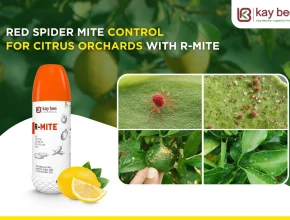
- Red Spider Mite Control for Citrus Orchards With R-Mite
- Understanding Mycorrhizal Fungi and Their Role in Modern Agriculture


COPYRIGHT © 2026 - ALL RIGHTS RESERVED. MADE BY WebAppGigs