

Why Bio Pesticides Are the Best Step Forward in Sustainable Agriculture
Modern agriculture faces a critical balancing act: meeting the growing global demand for food while preserving soil vitality and environmental health. Adopting ecological solutions is essential to secure global food safety without damaging our natural ecosystems.
For decades, synthetic chemical sprays were viewed as the quick fix for pest management. However, issues like chemical residue accumulation, soil degradation, and pest resistance have forced a major paradigm shift toward botanical crop protection.
Today, leveraging the advantages of bio pesticides in sustainable agriculture is no longer just an alternative—it is the ultimate step forward for forward-thinking growers and safe food production.
The Challenge of Traditional Chemical Farming
Over-reliance on synthetic pesticides has created a series of cascading problems in bio pesticides in modern farming:
- Soil Degradation: Chemical toxicity kills essential soil microbes, turning fertile agricultural land barren over time.
- Pest Resistance: Pests quickly adapt to chemical molecules, requiring higher dosages and stronger chemical cocktails each season.
- Residue Risks: Chemical residues linger on fruits and vegetables, creating export rejections and health concerns for consumers.
Why Bio Pesticides Are the Future of Crop Protection
Biological and botanical crop protection products offer a powerful, natural solution to these agricultural challenges. Derived from plants, microorganisms, and naturally occurring minerals, bio pesticides align seamlessly with ecological systems.
Shifting away from synthetic molecules offers multi-fold benefits:
- Targeted Pest Management Without Collateral Damage
Unlike broad-spectrum chemical sprays that kill beneficial insects, botanical crop protection targets specific crop pests directly. They protect pollinators like honeybees, ladybugs, and natural pest predators essential for farm biodiversity.
- Zero Maximum Residue Limit (MRL) Concerns
One of the primary advantages of bio pesticides in sustainable agriculture is their rapid biodegradation under sunlight and air. They leave zero toxic residues, enabling farmers to meet international export safety standards and cater to the booming market for residue-free food.
- Prevents Pest Resistance Development
Biological pest management works through complex natural mechanisms (such as growth regulation and gut disruption). Because these mechanisms are multifaceted, pests cannot easily mutate or build resistance against them.
- Soil Regeneration & Microbe Health
Healthy soil is the foundation of high-yielding agriculture. Utilizing biological control agents preserves organic carbon and supports soil microbial activity, ensuring long-term farm productivity.
Comparing Chemical vs Bio Pesticides
| Feature | Chemical Pesticides | Bio Pesticides (Kay Bee Bio) |
|---|---|---|
| Environmental Impact | High soil & water contamination | Eco-friendly & naturally biodegradable |
| Pest Resistance | Pests quickly develop immunity | Complex modes of action prevent resistance |
| Residue on Produce | Leaves toxic residues (MRL risk) | Zero chemical residue (Safe food) |
| Effect on Beneficial Insects | Kills pollinators & earthworms | Preserves friendly insects & bees |
| Long-Term Yield Impact | Degrades soil fertility over time | Rebuilds soil biodiversity & fertility |
Taking the Step Forward with Kay Bee Bio
Transitioning to biological pest management doesn’t mean compromising on yields. Modern biological solutions combine scientific precision with natural effectiveness.
At Kay Bee Bio, we manufacture advanced botanical crop protection solutions tailored to manage stubborn agricultural pests while restoring Soil Health and ensuring farmer safety.
Frequently Asked Questions (FAQ)
Q1. Why are bio pesticides considered the best alternative in modern agriculture?
Bio pesticides manage crop pests effectively without leaving harmful residues, causing pest resistance, or polluting soil and water ecosystems.
Q2. Do bio pesticides take longer to show results compared to chemical sprays?
While chemical sprays act through harsh nerve toxins, modern botanical crop protection products work via target-specific biological pathways. When applied at the right crop stage, they provide reliable, long-lasting pest control.
Q3. Can bio pesticides be integrated with existing farming practices?
Yes. Bio pesticides in modern farming fit perfectly into Integrated Pest Management (IPM) practices and organic farming systems, helping farmers reduce synthetic chemical reliance over time.
Official Government References & Citations
-
- Food and Agriculture Organization of the United Nations (FAO): Sustainable Agriculture & Pest Management Standards
- United States Department of Agriculture (USDA): Organic Farming and Biological Pest Control Regulations
- Indian Council of Agricultural Research (ICAR – Govt of India): Research on Biological Control & Crop Protection
Latest Blogs
 Zinc Deficiency in Crops: Importance of Zinc in Wheat, Potato and Other Rabi Crops
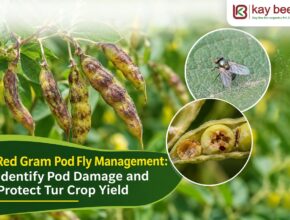 Red Gram Pod Fly Management: Identify Pod Damage and Protect Tur Crop Yield
 Bunch Rot Of Grapes: Symptoms, Causes, Control And Best Effective Treatment Strategies
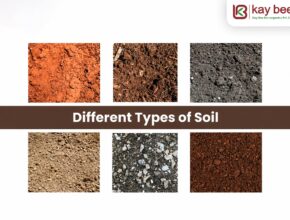 Discovering the Different Types of Soil: Characteristics, Uses and Soil Improvement
 Advancing Agronomic Resilience: A Scientific Analysis of Crop Rotation and Bio-Input Synergies in Indian Agriculture
COPYRIGHT © 2026 - ALL RIGHTS RESERVED. MADE BY WebAppGigs