
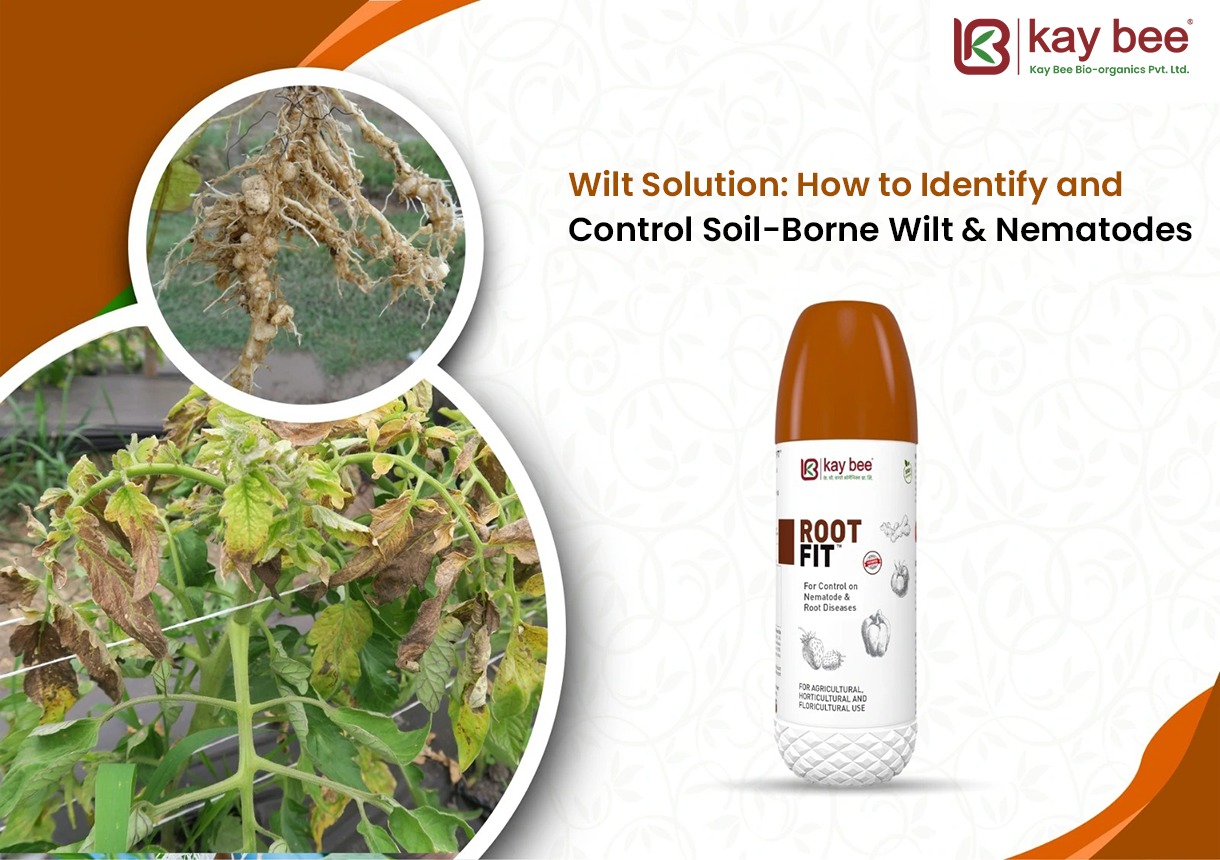
Wilt Solution: How to Identify and Control Soil-Borne Wilt & Nematodes
Even with the right water and fertiliser, crops often turn yellow, wilt, and collapse — and the cause is usually hidden below the soil. Wilt isn’t a single disease: it can be fungal (Fusarium, Verticillium), bacterial (Ralstonia), or driven by root-knot nematodes, and these often attack together as a “wilt complex.”
That’s why there’s no single magic spray. An effective wilt solution starts with correctly identifying the cause, then protecting the root zone early — because once a plant has collapsed from a soil-borne pathogen, it cannot be cured. This guide walks through how to tell the wilt types apart, how to manage them with cultural and biological practices, and how an organic option like Root Fit works across fungal, bacterial and nematode-driven wilt.
What Is the Best Solution for Wilt?
Because wilt has more than one cause, the best solution is diagnose first, then protect:
- Identify the cause — use the symptom comparison below (and the simple ooze test) to tell fungal, bacterial and nematode wilt apart.
- Reduce the pathogen load in the soil — through solarisation, crop rotation, and organic amendments like neem cake.
- Protect the root zone with a broad-spectrum bio-solution — Root Fit acts through contact, systemic and fumigant action, so it works against soil-borne fungi and root-knot nematodes in one product, without the resistance risk of single-molecule chemicals.
What is the Wilt complex?
“Wilt complex” means a situation where multiple pathogens attack at the same time, like Fusarium wilt, Verticillium wilt, bacterial wilt, and nematodes, resulting in the blockage of water & nutrients and the subsequent wilting and death of the plant.
Mostly two types of wilt are often seen in the field-one is soil-borne fungal wilt and the second is bacterial wilt.
Fungal wilt is a destructive soil-borne disease, primarily caused by Fusarium wilt, which develops in dry soil at around 27–30 °C, while Verticillium wilt attacks under cooler, moist conditions. Fusarium wilt is especially damaging in pulse crops such as chickpea — see our guide to gram wilt: causes, symptoms and management.Benefits for Farmers
Bacterial wilt- Bacterial wilt is primarily generated by the soil-borne bacterium Ralstonia solanacearum, which invades plant roots, moves into the xylem (water-conducting tissue), and multiplies massively. This buildup causes a mechanical blockage that prevents water from reaching the leaves, causing the plant to wither and die
What is Nematode?
Plant-parasitic nematodes are microscopic, soil-borne worms causing roughly billion in global crop losses annually. Using a needle-like stylet to feed on plant cells, they cause symptoms like galls, root lesions, stunted growth, and nutrient deficiencies. Key pathogens include root-knot (Meloidogyne spp.) and cyst nematodes, which require management through rotation, resistant varieties, and nematicides. (See how root-knot nematodes cause yellowing and wilting →)
Symptoms:
| Feature | Fungal Wilt | Bacterial Wilt | Nematode Attack |
|---|---|---|---|
| Speed of Wilting | Slow & Progressive: Starts with lower leaves, Plant may recover at night initially | Sudden & Rapid: The entire plant collapse quickly, Often while still green | Chronic & stunted: Slow decline, Wilting occurs mostly during the hottest part of the day |
| Leaf Symptoms | Significant yellowing (chlorosis) and drying from the bottom up. | Leaves often stay green even as the plant collapses. | General pale green or yellowing; leaves may appear smaller than usual. |
| Vascular Discoloration | Dark brown or reddish streaks inside the stem when cut. | Stem interior looks water-soaked; produces a milky white ooze in water. | Usually no internal stem discoloration. |
| The “Ooze” Test | May show some rot or look normal but dry. | May appear water-soaked or slightly decayed in advanced stages. | Presence of visible knots, galls, or swellings on the roots. |
| Root Appearance | Spreads in patches that grow larger over time. | Often appears as scattered, individual dead plants. | Occurs in uneven patches where soil texture or drainage varies. |
Management:
Managing soil-borne wilt and nematodes requires an Integrated Pest Management (IPM) approach. Because these pathogens live in the soil, you cannot “cure” a plant once it is heavily infected; instead, you must focus on protecting the roots and reducing the pathogen population in the soil.
- Biological Control
Using beneficial organisms is the most sustainable way to manage soil pathogens.
- Trichoderma viride: A powerful fungus that literally “eats” harmful fungi like Fusarium and Pythium.
- Pseudomonas & Bacillus: These “friendly” bacteria produce natural antibiotics that kill wilt-causing bacteria and fungi. They also compete for space on the root surface so the “bad” microbes can’t attach.
- Paecilomyces lilacinus is one of the most effective and widely used biological control agents for managing plant-parasitic nematodes. It is a naturally occurring soil fungus that specializes in “hunting” nematodes at various stages of their life cycle
- Mycorrhiza: These fungi colonize the roots, forming a physical barrier that prevents nematodes from entering. They also improve the plant’s uptake of Phosphorus, making the root system stronger and more resilient.
- Cultural Practices
- Soil Solarization: During high summer, plough the field and cover it with transparent plastic mulch for 4–6 weeks. The trapped heat kills nematode eggs and fungal spores.
- Crop Rotation: Never plant susceptible crops (like Tomato, Brinjal, or Chilli) back-to-back. Rotate with non-host crops like Marigolds (which release alpha-terthienyl to kill nematodes) or cereals like Maize and Bajra.
- Proper Drainage: Fungal and bacterial wilts thrive in waterlogged soil. Ensure your field has good drainage to prevent the “swimming” bacteria from spreading.
- Soil Amendments
- Neem Cake: Applying neem cake during land preparation is one of the oldest and best ways to suppress nematodes. It acts as both a fertilizer and a natural pesticide.
- Organic Matter: Adding well-decomposed Farm Yard Manure (FYM) or Vermicompost increases the population of natural “predatory” microbes that keep pathogens in check.
View Products: Root Fit – Best Fungicide and Nematicide for Root
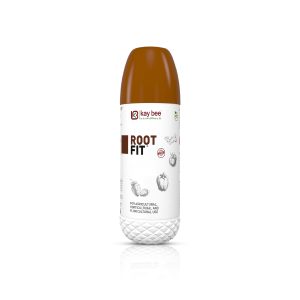
How Root Fit works to control wilt and nematodes:
Root Fit is the best product for nematode control, specially designed to combat a wide spectrum of soil-borne diseases and plant-parasitic nematodes. This powerful nematicide for nematode control enhances white root development through three primary modes of action: Contact, Systemic, and Fumigant.
-
Control of Soil-Borne Fungi
- Contact Action: It directly degrades the cell walls of the fungi, inhibiting spore germination and stopping the growth of mycelia (the “body” of the fungus).
- Systemic Protection: The plant roots absorb the botanical compounds and transport them through the vascular system (xylem). This allows the plant to kill fungal spores that have already managed to infect the internal tissues.
- Fumigant Effect: It releases vapors into the soil that inactivate hibernating fungal stages, reducing the overall “inoculum” (the amount of pathogen) in the soil before they can even reach the plant.
-
Control of Plant-Parasitic Nematodes
It is particularly effective against Root-Knot Nematodes and other parasitic species that damage root systems.
- Paralysis: Upon contact, Root Fit causes the nematodes to stop feeding; they typically become paralyzed within 24 to 48 hours.
- Stylet Repellent: Systemically, it interferes with the nematode’s ability to use its stylet (the needle-like mouthpart used to pierce roots). This prevents the nematode from injecting the enzymes that lead to gall or “knot” formation.
- Breaking Dormancy: Through its fumigant action, the product enters the semipermeable body walls of nematodes and disrupts their “cryptobiosis” (a state of hibernation). By breaking this hibernation at the wrong time, it causes the nematode population in the soil to collapse.
Application:
- Method: Apply via soil drenching or drip irrigation.
- Timing: Apply in the morning or evening when temperatures are cooler. Follow the application with light irrigation to help the product move into the root zone.
- Dose: Generally 750 ml-1 liter per acre (depending on the crop stage and severity of the infestation.)
Buy Root Fit – organic fungicide & nematicide for wilt control
Benefits for Farmers:
| Feature | Benefit |
|---|---|
| Phyto-tonic Effect | Promotes larger roots, increased leaf size, and higher chlorophyll content. |
| Zero Residue | Safe for organic farming and crops intended for export. |
| No Resistance | Because it uses multiple botanical marker compounds, pathogens cannot easily build up resistance. |
| Compatibility | Note: Do NOT mix with sulphur, copper-based fungicides, or Bordeaux mixture. |
Conclusion:
In the battle for crop productivity, the real victory is won beneath the surface. Soil-borne wilt and nematodes may be “silent killers,” but they are not invincible. By moving away from reactive treatments and adopting a proactive, root-first approach, farmers can secure their harvests against the deadly “Wilt Complex.”
The combination of smart cultural practices -like crop rotation and solarization-alongside powerful biological solutions like Root Fit provides a sustainable shield for your crops. These botanical and microbial tools do more than just kill pests; they restore the natural balance of your soil, promote vigorous, white root development, and ensure your plants stay green and productive even under pressure.
Frequently Asked Questions
What is the best organic solution for wilt disease?
There’s no single cure, because wilt can be fungal, bacterial or nematode-driven. The best approach is to identify the cause, reduce the soil pathogen load with cultural practices, and protect roots with a broad-spectrum bio-solution. Root Fit is designed for this — its contact, systemic and fumigant action covers soil-borne fungi and root-knot nematodes together.
How do I tell fungal wilt from bacterial wilt or nematode damage?
Fungal wilt spreads slowly from the lower leaves with brown streaks inside the stem; bacterial wilt collapses the plant suddenly while leaves stay green and oozes milky sap in water; nematode damage shows knots/galls on the roots with chronic, patchy stunting. See the full symptom table above.
Can wilt be cured once the plant is infected?
No. Once a plant has collapsed from a soil-borne wilt pathogen it cannot be revived — which is why prevention and early root-zone protection are essential. Remove badly infected plants and protect the surrounding healthy crop.
Latest Blogs
 Tomato Nematode Damage: Underground Signs, Crop Loss and Organic Control with Root Fit
 Sugarcane Growth Stages: Root, Tiller & Vegetative Schedule
 Guava Flowering & Fruit Development: Calbolite Powder for Calcium Nutrition
 Management of Cabbage Diamondback Moth with Larvo Raze + OrgaNeem Organic Products
 Papaya Fruit Rot & Powdery Mildew in Monsoon: Identification and Organic Management
COPYRIGHT © 2026 - ALL RIGHTS RESERVED. MADE BY WebAppGigs