
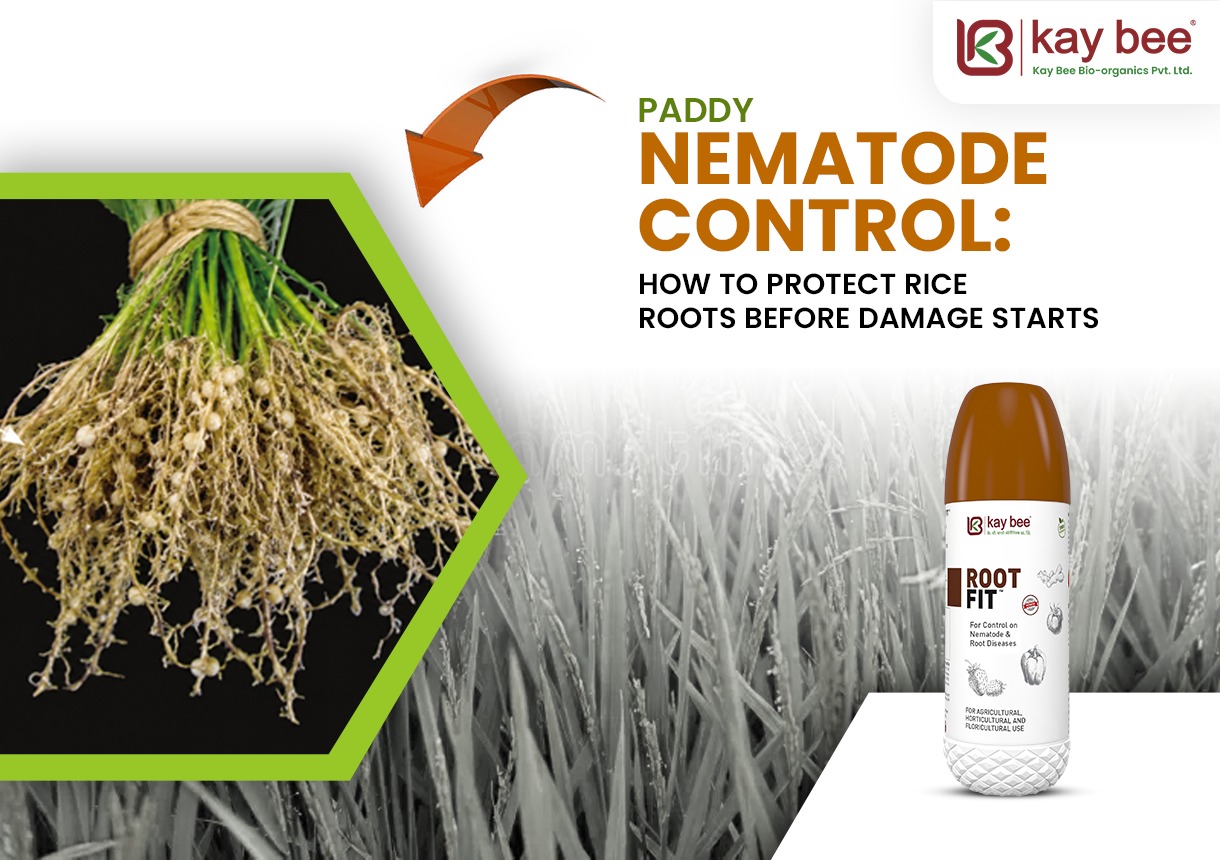
Paddy Nematode Control: How to Protect Rice Roots Before Damage Starts
Introduction
Rice is one of the most important staple crops worldwide, supporting the livelihoods of millions of farmers. However, several hidden pests threaten rice productivity beneath the soil surface. Among them, rice root nematodes are often overlooked because the damage they cause remains unnoticed until significant yield losses have already occurred.
Effective paddy nematode control begins before visible symptoms appear. Early detection, preventive measures, and the adoption of integrated approaches are essential for sustainable nematode management in rice. With increasing emphasis on environmentally safe agriculture, the use of botanical nematicides for paddy has emerged as a promising strategy to suppress nematode populations while maintaining soil health.
This article discusses the major rice nematodes, symptoms of infestation, economic importance, and integrated management practices, including the role of Root Fit, a botanical solution for effective nematode suppression.
Rice Root Nematodes
Nematodes are microscopic, worm-like organisms inhabiting the soil. While many species are beneficial, several plant-parasitic nematodes attack rice roots, causing extensive damage.
The major nematodes affecting rice include:
-
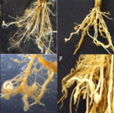
Rice Root-Knot Nematode (Meloidogyne graminicola)
This is considered one of the most destructive nematodes in rice-growing regions.
Characteristics:
- Infects young rice seedlings.
- Induces gall formation on roots.
- Reduces nutrient and water uptake.
- Causes severe stunting under upland and irrigated conditions.
-
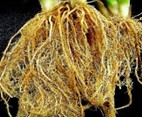
Rice Root Nematode (Hirschmanniella spp.)
Commonly known as the rice root nematode, these migratory endoparasites are frequently associated with flooded rice ecosystems.
Characteristics:
- Penetrate and migrate through root tissues.
- Produce lesions and root decay.
- Facilitate secondary infections by fungi and bacteria.
-
White Tip Nematode (Aphelenchoides besseyi)
Although seed-borne, this nematode affects rice growth and grain quality.
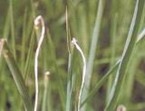
a. Twisted and crinkled leaf tips

b. Whitening and necrosis of leaf tips- white tip
Characteristics:
- Survives in seeds.
- Causes distortion of leaves and panicles.
- Reduces grain filling.
Economic Importance of Nematodes in Rice
Plant-parasitic nematodes often remain undiagnosed because their symptoms resemble nutrient deficiencies or water stress. However, studies indicate that nematode infestations can cause substantial yield losses ranging from 10–30%, with severe infestations resulting in even higher reductions.
Major impacts include:
- Poor seedling establishment.
- Reduced tillering.
- Impaired nutrient absorption.
- Lower grain filling.
- Increased susceptibility to other soil-borne pathogens.
- Significant economic losses to farmers.
Therefore, proactive paddy nematode control is essential to safeguard crop productivity.
View Products : Root Fit – Best Fungicide and Nematicide for Root Rot

Symptoms of Rice Root Nematode Infestation
Early identification of symptoms can help farmers initiate timely interventions.
Above-Ground Symptoms
Farmers may observe:
- Patchy growth in the field.
- Stunted plants.
- Yellowing of leaves.
- Reduced tiller production.
- Delayed crop maturity.
- Wilting during hot periods despite adequate moisture.
- Uneven crop stand.
These symptoms often mimic nutrient deficiencies, making diagnosis challenging.
Below-Ground Symptoms
Closer examination of roots may reveal:
- Small root galls caused by Meloidogyne graminicola.
- Brown or black lesions.
- Reduced root branching.
- Root pruning and decay.
- Necrotic tissues.
- Shortened and poorly developed root systems.
Since root damage directly affects nutrient uptake, infected plants fail to achieve their yield potential.
Why Early Paddy Nematode Control Matters
Once nematode populations become established, management becomes increasingly difficult. Nematodes reproduce rapidly under favorable conditions and complete several life cycles within a cropping season.
Early intervention helps:
- Prevent root establishment by nematodes.
- Protect young seedlings.
- Maintain healthy root development.
- Improve nutrient use efficiency.
- Enhance plant vigor throughout the growing season.
- Reduce future nematode populations in the field.
Thus, preventive nematode management in rice should begin before extensive damage occurs.
Integrated Nematode Management in Rice
Successful nematode management in rice requires an integrated approach combining cultural, biological, and botanical methods.
-
Use Healthy and Clean Seed
Seed-borne nematodes such as Aphelenchoides besseyi can be introduced into fields through infected seed.
Recommendations:
- Use certified seed.
- Avoid seed from heavily infested fields.
- Practice seed sanitation measures.
-
Field Sanitation
Good field hygiene reduces the carry-over of nematode populations.
Practices include:
- Removal of volunteer rice plants.
- Destruction of infected crop residues.
- Cleaning of equipment moving between fields.
- Proper disposal of nursery waste.
-
Crop Rotation
Continuous rice cultivation favors nematode multiplication.
Suitable crop rotations can help suppress populations:
- Rice legume systems.
- Rice followed by non-host crops.
- Inclusion of green manure crops.
Crop diversification interrupts nematode life cycles and reduces inoculum levels.
-
Nursery Management
Rice seedlings are highly vulnerable to nematode attack.
Nursery recommendations include:
- Raising seedlings in nematode-free soil.
- Avoiding contaminated irrigation water.
- Applying preventive treatments during nursery stages.
- Monitoring seedlings regularly for abnormal growth.
Healthy seedlings establish more vigorously after transplanting.
-
Organic Matter Incorporation
Addition of organic materials improves soil health and encourages beneficial microorganisms.
Useful amendments include:
- Farmyard manure.
- Compost.
- Green manure.
- Vermicompost.
Benefits include:
- Enhanced microbial activity.
- Improved soil structure.
- Suppression of plant-parasitic nematodes.
- Better root growth.
-
Water Management
Water regimes influence nematode activity.
Recommendations:
- Maintain appropriate flooding schedules where feasible.
- Avoid prolonged moisture stress.
- Ensure proper drainage in upland rice systems.
Balanced moisture conditions reduce stress on rice plants and improve tolerance against nematode attack.
Botanical Nematicide for Paddy: A Sustainable Solution
Chemical nematicides have traditionally been used for nematode suppression. However, concerns regarding environmental contamination, residue issues, and impacts on beneficial organisms have increased interest in safer alternatives.
A botanical nematicide for paddy offers several advantages:
Advantages of Botanical Nematicides
- Eco-friendly and biodegradable.
- Safer to beneficial soil microorganisms.
- Reduced risk of resistance development.
- Compatible with Integrated Pest Management (IPM).
- Minimal environmental impact.
- Suitable for sustainable agriculture.
Botanical formulations target nematodes while supporting healthier soil ecosystems.
Root Fit: Botanical Solution for Paddy Nematode Control
Root Fit is a botanical-based formulation designed to support effective paddy nematode control through multiple modes of action.
How Root Fit Works
Root Fit helps by:
Suppressing Nematode Activity
Its botanical constituents interfere with nematode movement and feeding behavior, reducing their ability to establish within rice roots.
Protecting Root Systems
Healthy roots are essential for nutrient uptake. Root Fit supports root protection during critical crop growth stages.
Supporting Root Development
Improved root health enhances:
- Water absorption.
- Nutrient uptake efficiency.
- Plant vigor.
- Tillering potential.
Compatible with IPM Programs
Root Fit can be integrated with cultural and biological practices as part of comprehensive nematode management in rice strategies.
Recommended Use of Root Fit
For effective results:
- Apply preventively before severe infestation develops.
- Incorporate into integrated crop management programs.
- Ensure uniform application within the root zone.
- Combine with good agronomic practices for maximum benefit.
Dose: 1 l/acre or 500 ml/acre (if crop duration less than 1 month)
Monitoring and Diagnosis
Farmers should:
- Inspect fields for patchy growth.
- Uproot symptomatic plants periodically.
- Examine roots for galls and lesions.
- Compare healthy and affected areas.
- Seek laboratory diagnosis when necessary.
Conclusion
Nematodes are a hidden yet economically important threat to rice production, often causing root damage before visible symptoms appear. Effective paddy nematode control relies on early detection and preventive management. By recognizing the symptoms of rice root nematode infestation, adopting good cultural practices, maintaining field sanitation, and implementing integrated strategies, farmers can minimize yield losses. The use of a botanical nematicide for paddy, such as Root Fit, supports sustainable nematode management in rice by protecting root health and promoting vigorous crop growth. Healthy roots ultimately lead to improved plant performance, higher yields, and more sustainable rice production.
Latest Blogs
 Brown Plant Hopper Paddy Organic Control with Pesto Raze & Mealy Raze
 Mycorrhiza Technical Manufacturer in India | Kay Bee Bio-Organics Pvt. Ltd.
 Cotton Whitefly Management During Square Formation Stage: Effective Control with Pesto Raze & OrgaNeem
 Calcium for Cabbage Head Formation: How Calboost (Ca-11%) Ensures Tight & Crack-Free Heads
 Citrus Canker Organic Control: A Complete Farmer’s Guide
COPYRIGHT © 2026 - ALL RIGHTS RESERVED. MADE BY WebAppGigs