
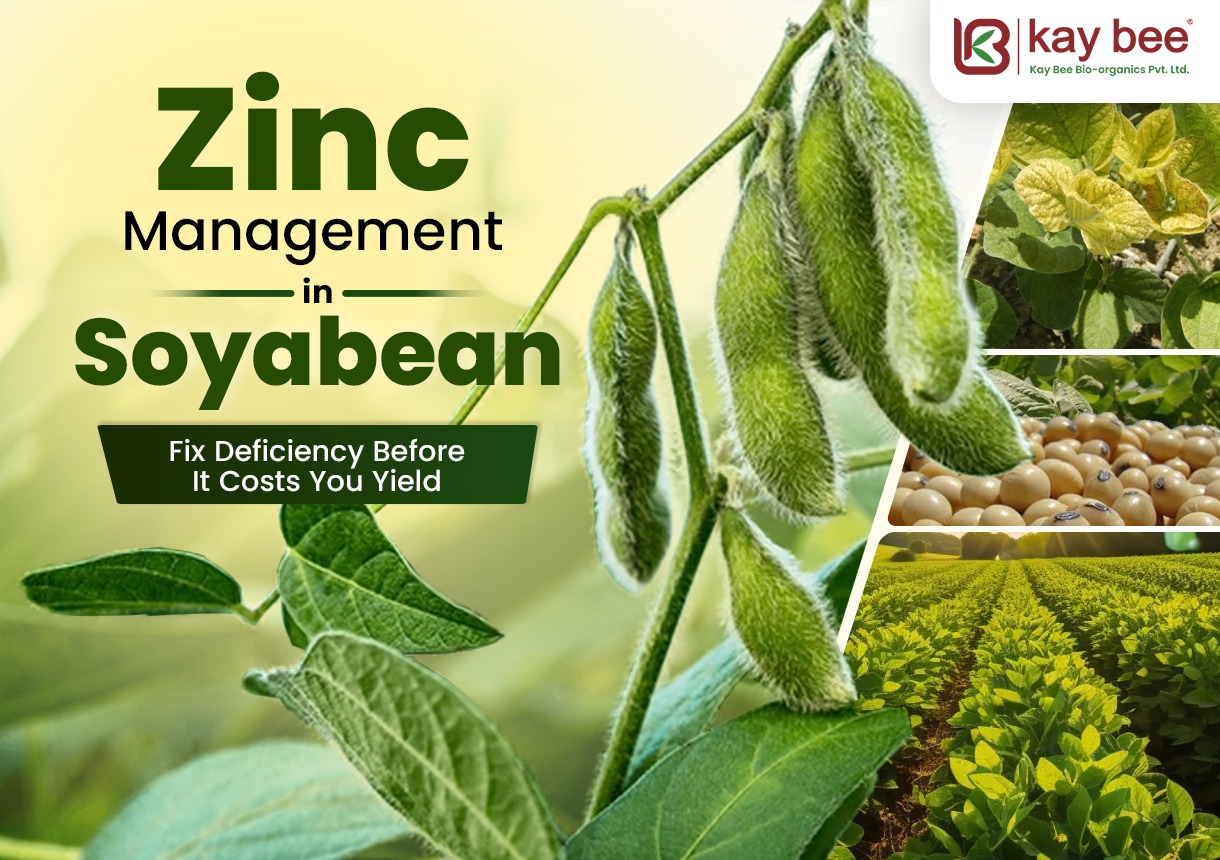
Zinc Management in Soybean: Fix Deficiency Before It Costs You Yield
Deficiency in Soybean: Fix Deficiency Before It Costs You Yield
Soybean is one of the most important oilseed crops grown all over India. It is a major source of edible oil, animal feed and other industrial products. Farmers invest heavily in high quality seeds, fertilizers, crop protection products and proper agronomic practices to get higher yields. Many soybean fields, however, are not reaching their full yield potential due to hidden nutrient deficiencies. Zinc deficiency in soybean is one of the most common yet frequently overlooked micronutrient disorders affecting crop productivity.
Most farmers focus their attention on nitrogen, phosphorus and potassium fertilization and tend to forget about micronutrients. Zinc is needed in small amounts, but its function in plant growth and development is very important. Even a minor deficiency can cause trouble with root development, chlorophyll production, flowering, pod formation, and, finally, yield.
The good thing is that zinc deficiency in soybeans can be detected and corrected in an early stage. Farmers can avoid yield losses and increase crop productivity by recognizing the causes and correct soybean zinc management methods.
Why Zinc Is Essential for Soybean Growth
Zinc is an essential micronutrient involved in many physiological and biochemical processes in the soybean plant. It is a catalyst for many enzymes and a major player in plant metabolism.
Some of the important functions of zinc are:
- Stimulates synthesis of chlorophyll and photosynthesis.
- Helps activate enzymes and synthesize proteins .
- Promotes vigorous root growth.
- Enhances efficiency of nutrient uptake.
- Contributes to hormone secretion and growth regulation.
- Supports flowering and pod set.
- Enhances seed setting and grain filling.
- Enhances plant resistance to environmental stresses.
Provided with sufficient zinc, soybean plants develop a vigorous root system, healthier foliage and enhanced reproductive growth. On the other hand, insufficient zinc can significantly reduce crop performance throughout the growing season.
What Causes Zinc Deficiency in Soybean?
Several soil and management factors contribute to zinc deficiency in soybean. Understanding these causes can help farmers take preventive measures before zinc deficiency symptoms on soybean appear.
-
High Soil pH
Zinc availability is significantly lower in alkaline soils. But in soils with a high pH, zinc is chemically unavailable even if there is enough total zinc.
-
Low Organic Matter Content
In soybean zinc management, micronutrient availability improves with organic matter, while zinc deficiency is more prevalent in soils with low organic carbon.
-
Phosphorus Over-fertilization
The use of large quantities of phosphorus fertilizers such as DAP can decrease the uptake of zinc by soybean plants. This nutrient imbalance is a common cause of deficiency in intensively cultivated fields, highlighting the importance of zinc fertilizer for soybean.
-
Continuous Cultivation
Continuous cultivation of soybean without supplementation of micronutrients gradually depletes the available zinc pool of the soil, leading to zinc deficiency symptoms on soybean plants
-
Soils that are Sandy
Light-textured soils, which are more prone to deficiency problems, generally have lower available zinc levels.
-
Poor Drainage and Waterlogging
Poorly drained soils limit root development and uptake of nutrients including zinc uptake.
-
Erosion of soil
Erosion removes valuable nutrients and organic matter from the topsoil and increases the risk of zinc deficiency.
Zinc Deficiency Symptoms in Soybean Farmers Should Recognize
Early identification is critical for effective soybean zinc management because nutrient deficiencies become more difficult to correct as the crop grows. Farmers should regularly inspect their fields, especially during the vegetative growth stage.
The most common zinc deficiency symptoms on soybean plants exhibit include:
Interveinal Chlorosis
One of the earliest symptoms is yellowing between the veins of young leaves while the veins remain green. This creates a characteristic striped appearance.
Small and Narrow Leaves
New leaves may become smaller than normal and appear distorted.
Stunted Growth
Zinc-deficient soybean plants often show reduced plant height and slower development, which are common zinc deficiency symptoms on soybean.
Reduced Internodal Length
The distance between nodes decreases, giving the plant a compact and stunted appearance.
Poor Root Growth
Roots are poorly developed , preventing the uptake of water and nutrients .
Flowering Delayed
Plants may show delayed reproductive stages.
Poor Pod Development
Plants that are short of nutrients tend to set fewer pods, and these may contain fewer seeds, emphasizing the importance of soybean zinc management.
Reduced seed weight
Zinc deficiency reduces grain filling, producing smaller and lighter seeds.
If these zinc deficiency symptoms on soybean plant are not noticed, there may be large yield losses before corrective action can be taken.
Impact of Zinc Deficiency on Soybean Yield
Many farmers underestimate the economic impact of micronutrient deficiencies. However, zinc deficiency can greatly reduce soybean production.
When zinc is deficient:
- Photosynthesis is less efficient.
- Slows down root growth.
- Lower utilization of nutrients.
- Reduced flower retention.
- Reduced pod setting.
- Impact on seed production.
- Poor grain filling.
As a result, both yield and crop quality are affected due to improper soybean zinc management. At worst, farmers stand to lose a significant portion of their anticipated crop.
A small reduction in yield can have a big effect on profitability where the cost of cultivation is increasing. Therefore, it is very important to correct zinc deficiency in soybean on time to obtain maximum profit.
Effective Soybean Zinc Management Practices
The best zinc management in soybeans involves a mix of preventive and corrective actions.
Balanced Fertilizer Use
Follow soil test recommendations for fertilizer. “Don’t just dump a lot of phosphorus in without regard to the micronutrient needs.
Increase Soil Organic Matter
Farmyard manure, compost, vermicompost or crop residues enhance soil health and zinc availability.
Correct Irrigation Management
Good drainage and avoiding waterlogging for long periods will reduce the reduction of nutrients taken up.
Crop Rotation
Diversified cropping systems are useful for maintaining soil fertility and minimizing nutrient depletion.
Use Quality Micronutrient Products
Choose quality zinc fertilizer for soybean to get efficient nutrient availability and uptake.
Timely Foliar Nutrition
Rapid correction is possible with foliar applications since nutrients are absorbed directly through the leaves as soon as zinc deficiency symptoms on soybean crops appear.
Choosing the Right Zinc Fertilizer for Soybean
The effectiveness of any zinc fertilizer for soybean depends on its formulation, availability, and absorption efficiency.
An ideal zinc fertilizer should:
- Deliver zinc in a plant-available form.
- Be easily absorbed by the crop.
- Correct deficiencies quickly.
- Improve nutrient-use efficiency.
- Support growth during critical crop stages.
- Be easy to apply.
Zilite (Zinc oxide 39.5%): Advanced Solution for Zinc Deficiency in Soybean
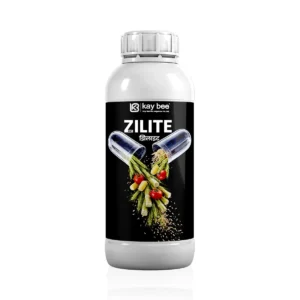
To combat zinc deficiency in soybean effectively, farmers need a product that delivers quick and efficient zinc nutrition. Zilite, developed by Kay Bee Bio-Organics Pvt. Ltd., is designed to meet this requirement.
Zilite provides readily available zinc which is in oxide form for efficient uptake by soybean plants to overcome growth limitations associated with deficiency.
Key Features of Zilite
- Advanced zinc formulation.
- Easy absorption by plants.
- Rapid correction of zinc deficiency.
- Supports chlorophyll formation.
- Enhances nutrient uptake.
- Promotes healthy vegetative growth.
- Improves flowering and pod development.
- Suitable for foliar application.
- Helps maintain crop vigor under stress conditions.
Benefits of Zilite in Soybean Cultivation
-
Quick Correction of Zinc Deficiency
Zilite helps to maintain zinc levels rapidly, allowing plants to resume normal growth.
-
Greener and Healthier Plants
Proper soybean zinc management increases chlorophyll synthesis in plant results greener foliage and better photosynthetic activity
-
Enhanced Root Development
A stronger root system absorbed water and nutrient quickly to correct zinc deficiency
-
Better Flowering and Pod Setting
Proper zinc fertilizer for soybean supports reproductive development and improves pod formation.
-
Improved Grain Filling
Zilite, zinc fertilizer for soybean helps ensure proper seed development and pod filling, contributing to higher yields.
-
Increased Yield Potential
Healthy plants with balanced nutrition are better equipped to achieve their genetic yield potential.
-
Improved Crop Quality
Proper zinc nutrition contributes to proper seed size, quality, weight, and overall crop quality.
Conclusion
Zinc deficiency in soybeans is a hidden yield limiting factor that is often overlooked until crop performance begins to decline. Symptoms include yellowing of young leaves, stunted growth, reduced branching, and poor pod formation, all of which can have a significant impact on profitability if not addressed promptly.
Proper soybean zinc management practices including soil testing, balanced fertilization, organic matter management and timely micronutrient application can help maintain healthy crop growing through the season.
The selection of an effective zinc fertilizer for soybeans is also important. Zilite from Kay Bee Bio-Organics Pvt. Ltd. is an advanced zinc solution that delivers efficient zinc nutrition to help farmers correct deficiencies quickly and support vigorous vegetative and reproductive growth.
Remember, every pod counts in soybean cultivation. Identifying and correcting zinc deficiency symptoms on soybean plants at an early stage can protect yield potential, improve crop quality, and ensure better returns on investment. By taking proactive steps today, farmers can prevent nutrient-related losses and achieve a healthier, more productive soybean crop.
Latest Blogs
 Brown Plant Hopper Paddy Organic Control with Pesto Raze & Mealy Raze
 Mycorrhiza Technical Manufacturer in India | Kay Bee Bio-Organics Pvt. Ltd.
 Cotton Whitefly Management During Square Formation Stage: Effective Control with Pesto Raze & OrgaNeem
 Calcium for Cabbage Head Formation: How Calboost (Ca-11%) Ensures Tight & Crack-Free Heads
 Citrus Canker Organic Control: A Complete Farmer’s Guide
COPYRIGHT © 2026 - ALL RIGHTS RESERVED. MADE BY WebAppGigs