
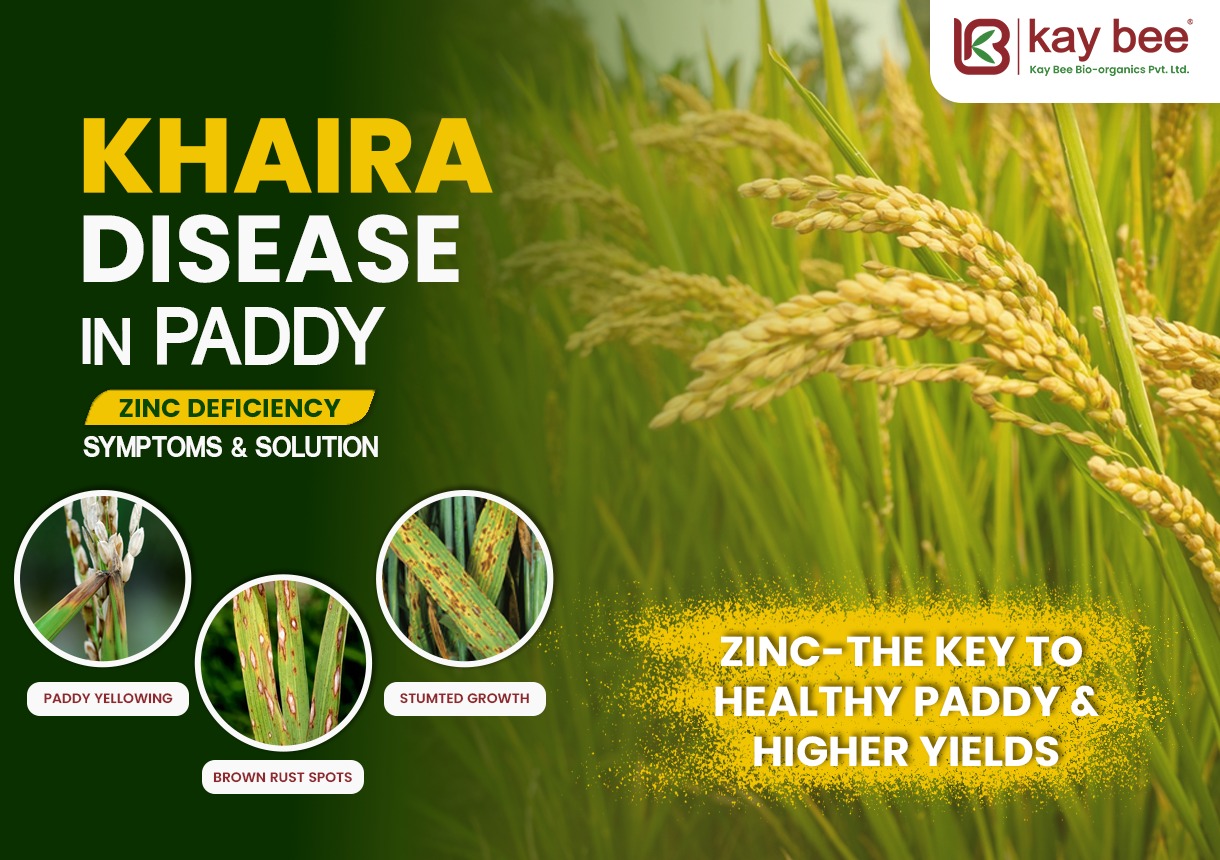
Khaira Disease in Paddy: Zinc Deficiency Symptoms and Solution
Introduction
Rice (paddy) is one of the most important crops grown by farmers across the world. To get healthy crop with higher yields, paddy plants need balanced nutrition throughout their growth cycle. Among the all-essential micronutrients, zinc plays a crucial role in plant growth, root development, tillering, and grain formation. When rice plants do not get enough zinc, they suffer from khaira disease in paddy, a common physiological disorder that can significantly reduce crop productivity.
Many farmers confuse in khaira disease in paddy with an insect attack or fungal disease. But the real cause is zinc deficiency in rice. Early identification and correction of the deficiency can prevent yield losses and foster healthy crop growth.
What is Khaira Disease in Paddy?
Khaira disease in paddy is a physiological disorder due to lack of zinc. The first time it was observed in rice fields where paddy yellowing leaves, brown spots and poor plant growth were observed and these problems were directly related to less zinc availability in the soil.
Khaira disease in paddy is not transmitted from one plant to another unlike fungal or bacterial diseases. It occurs when rice plants are not able to absorb sufficient zinc from the soil.
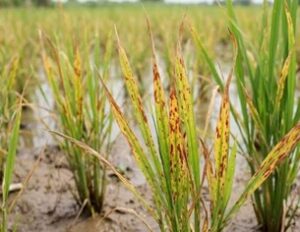
Khaira disease in paddy |
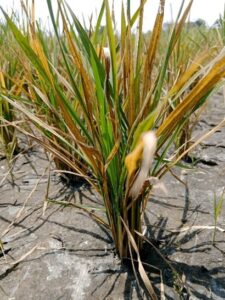
Khaira disease in paddy |
Khaira disease in paddy
Why is Zinc Important for Paddy?
Many farmers mainly focus on primary nutrients like nitrogen, phosphorus, and potassium fertilizers. While these nutrients are important, micronutrients like zinc are equally necessary for healthy crop growth.
Zinc helps in:
- Development of roots: Strong roots enable the plant to absorb water and nutrients efficiently.
2. Tiller formation: Higher yields mean more tillers, and more tillers come with adequate zinc.
3. Chlorophyll Production: Zinc helps in the production of chlorophyll, which keep leaves green.
4. Enzyme activation: A number of plant enzymes require zinc to function properly.
5. Better Grain Filling: Healthy zinc nutrition improves the grain formation and crop productivity. Weakness and visible deficiency symptoms of paddy plants are caused by zinc deficiency.
Symptoms of Zinc Deficiency in Rice
The zinc deficiency in rice symptoms, commonly known as Khaira disease in paddy, usually appear within 2 to 4 weeks after transplanting. Therefore, early identification and timely Khaira disease treatment can save farmers from major yield losses
- Paddy Yellowing: Paddy yellowing is one of the first symptoms that appear. The young leaves lose their healthy green colour and turn pale green or yellow.
- Brown or Rust Spots: Small brown spots develop on leaves.
- Leaf bronzing: Affected leaves may show a bronze or rusty coloration.
- Stunted plant growth: Plants are shorter than normal and appear weak.
- Reduced tillering: The number of tillers is reduced significantly, thus affecting the yield potential.
- Leaves Drying: In severe cases the tips and margins of the leaves dry up and look burnt.
- Poor Root Development: Roots are not well developed which limits the uptake of nutrients.
- Delayed Crop Development: Poor plants develop slowly and may mature later than healthy plants.
Causes of Khaira Disease in Paddy
Several soil and environmental conditions can increase the risk of zinc deficiency.
- High Soil pH: High soil pH leads to reduced zinc availability to plants in alkaline soils.
- Extended Waterlogging: Rice is cultivated under flooded conditions, but protracted flooding may lead to zinc deficiency, resulting in Khaira disease in paddy.
- Over-application of phosphorus: High amounts of phosphorus fertilizers without zinc supplementation can worsen the zinc deficiency.
∙ Low Organic Matter: Soils with low organic carbon often have poor micronutrient availability.
- Calcareous Soils: Zinc deficiency symptoms are common in soils rich in calcium.
- Intensive cropping: Continuous rice cropping without zinc application will gradually deplete soil zinc.
How Khaira Disease Affects Crop Yield
Many farmers ignore early deficiency symptoms, assuming the crop will recover naturally. Unfortunately, zinc deficiency in rice can severely impact crop performance.
- Reduced Tillers: Lower tillering results in fewer productive panicles.
- Less Plant Growth: Weak plants cannot utilize the nutrients effectively.
- Reduced Photosynthesis: The photosynthesis rate in yellow leaves is lower compared to green leaves, and this paddy yellowing negatively affects plant growth.
- Poor Grain Development: Grain development can be poor due to less nutrient supply.
- Yield Loss: Severe zinc deficiency can result in major losses in grain yield and farm income. Therefore, proper khaira disease treatment is necessary on time.
Khaira Disease treatment
The best way for khaira disease treatment is to supply zinc to the crop using appropriate methods.
Soil Application of Zinc
Applying zinc fertilizers to the soil is one of the most effective ways to fix deficiency.
Benefits include:
- Long-term zinc availability
- Improved root growth
- Better nutrient uptake
- Increased tillering
For effective khaira disease treatment, zinc should preferably be applied before transplanting or during the early growth stage of the crop
Foliar Spray of Zinc
When symptoms of paddy yellowing are visible, foliar sprays provide a quicker response.
Benefits include:
- Fast correction of deficiency
- Direct nutrient absorption through leaves
- Improved plant recovery
Sprays should be applied in the morning or evening for the best results.
Balanced Fertilizer Management
Using nutrients in a balanced way is essential for preventing zinc deficiency in rice.
Farmers should:
- Avoid applying too much phosphorus
- Follow soil test recommendations
- Apply micronutrients when needed
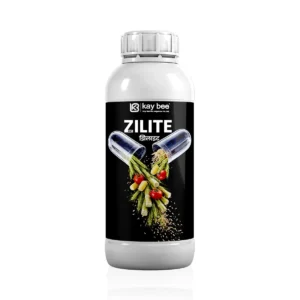
Zilite (39.5% sc): An Effective Solution for Zinc Deficiency in Rice
Managing zinc deficiency in rice becomes easier when farmers use a reliable zinc nutrition product.
Economic Benefits of Zilite
Increased Crop Yield and Quality: Application of Zilite ultra-fine particles and water-soluble biopolymers for rapid absorption and effective correction of zinc deficiency in rice and increased yield in various crops by improving seed germination, seedling vigor, and root growth.
Lower Input Costs and Higher Efficiency: Application of Zilite fertilizers are more efficient than conventional zinc sulfate, which means fewer applications are needs to achieve high results and avoid repeat applications, thus lowering labour and input costs.
Mitigation of Abiotic Stresses: Zilite helps crops withstand abiotic stresses like drought and salinity, reducing yield losses in challenging environments.
How does it work?
- Slow-release nano formulation, easily absorbed by the plant, helps in managing paddy yellowing.
- Enhances chlorophyll production for better photosynthesis and greener plants.
- Improves protein and sugar metabolism for better energy utilization and nutrient transport.
- Increased flowering and improved pollen quality for better fruit set.
- Improves yield, grain filling, fruit size, brix, and overall crop quality as part of effective Khaira disease treatment.
- Ensures even leaf coverage for rapid zinc deficiency correction.
- Activates essential enzymes for smooth metabolic functions.
Buy Now: ZILITE – Zinc Fertilizer for Plants
Recommended Doses
- Field Crops: 1.0-1.5 ml/liter
- Vegetable Crops: 0.5-1.5 ml/liter
- Fruit Crops: 0.75-1.5 ml/liter
Note*– Doses are vary with crops
Conclusion
Khaira disease in paddy is one of the most common nutrient related problems faced by rice grown farmers. Zinc deficiency in rice is characterized by yellowing of paddy, brown spots on leaves, poor tillering and stunted growth. If not treated, this can significantly reduce crop yield and profitability.
Timely zinc management and early identifications are the keys to successful khaira disease treatment. Farmers should continue to monitor their fields, practice proper fertilizer use and soil test wherever possible.
Effective zinc nutrition can be achieved by including products such as Zilite in a nutrient management plan to support healthy plant growth, increased tillering, stronger root development and improved yield potential.
Latest Blogs
 Brown Plant Hopper Paddy Organic Control with Pesto Raze & Mealy Raze
 Mycorrhiza Technical Manufacturer in India | Kay Bee Bio-Organics Pvt. Ltd.
 Cotton Whitefly Management During Square Formation Stage: Effective Control with Pesto Raze & OrgaNeem
 Calcium for Cabbage Head Formation: How Calboost (Ca-11%) Ensures Tight & Crack-Free Heads
 Citrus Canker Organic Control: A Complete Farmer’s Guide
COPYRIGHT © 2026 - ALL RIGHTS RESERVED. MADE BY WebAppGigs