
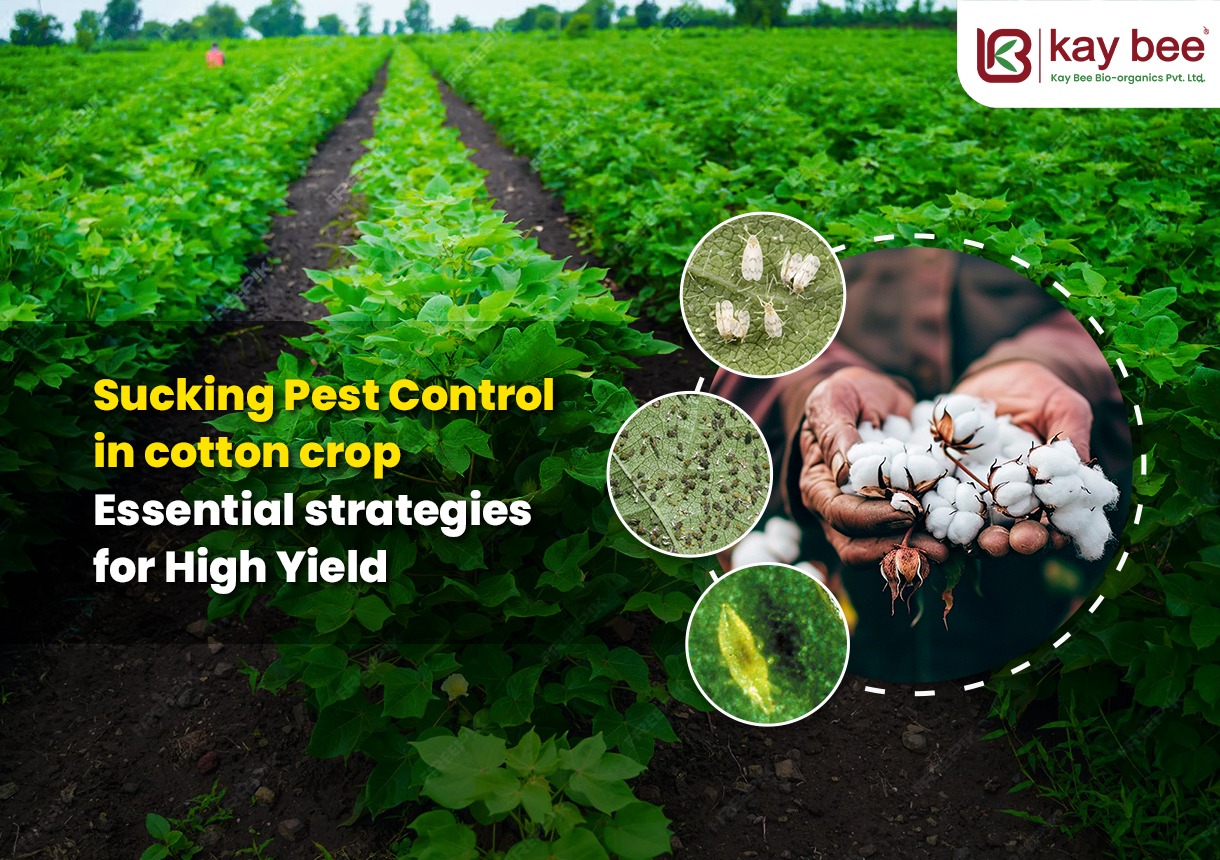
Sucking Pest Control in Cotton Crop: Essential Strategies for High Yield
When asked about the most important crop of the kharif season, most farmers immediately respond with the cotton crop, popularly known as white gold. cotton is extensively cultivated in various states across India, and our farmers put in tremendous efforts to achieve a high yield. But have we ever truly considered the hard work, planning, and pest control measures that go into maintaining a healthy cotton crop? Especially with the onset of sucking pests, the process of cotton pest control becomes even more crucial.
Every year, by the end of May, we see farmers beginning preparations for cotton sowing. However, due to unseasonal rains this year, sowing and planting might be delayed. Even though many regions have received significant rainfall, it is essential to wait until the soil reaches the right moisture level before initiating sowing. Excess water in deeper soil layers has made tillage operations difficult, making proper spacing between rows essential for future intercultural practices. Considering this year’s climate, a rise in the population of sucking pests is highly likely. These include aphids, jassids, whiteflies, and thrips pests that feed on plant sap and significantly affect plant health and productivity. Sucking pest control, therefore, becomes a top priority to ensure healthy crop development and optimal yields.
Most Common Reasons to Increase Sucking Pest on Cotton Crop:
Several factors contribute to the infestation of sucking pests in cotton crops. Climate variability plays a significant role; excess rainfall or overcast conditions promote the growth and spread of these pests. These conditions lead to the proliferation of pests like aphids, jassids, whiteflies, and thrips, which extract sap from leaves, disrupt photosynthesis, and cause severe stunting of plant growth. Hence, effective cotton pest control measures are essential from the early stages of crop development.
Symptoms of Sucking Pest Infestation in Cotton:
Symptoms of sucking pest damage usually begin appearing when the cotton crop is around 15 days old. Common signs include yellowing of leaves, curling and drying of leaf margins, leaf drop, leaf reddening, bud shedding, poor photosynthetic activity, stunted plant growth, and inferior boll quality. These symptoms directly affect cotton yield, making timely sucking pest control critical.
Key Sucking Pests in Cotton Crops:
1. Aphids:
These pests are tiny upto 1–2 mm in length, dark green or black, and feed on plant sap. Female aphids, usually wingless and light-colored, reproduce quickly under favorable weather conditions. They are commonly found on tender shoots and young leaves, leading to leaf curling, yellowing, and even black mold due to the sugary excretions. Aphids are most prevalent during early crop stages, making them a target for early cotton pest control actions.
2. Jassids:
These are green-colored pests about 3 mm long. They feed through leaf veins and cause leaf yellowing, wilting, and drop. Infestation leads to reduced flower and boll formation, negatively affecting yield. Overcast weather and high nitrogen fertilization promote their multiplication, which emphasizes the need for timely and targeted sucking pest control.
3. Thrips:
Thrips are very small, yellow in colour, and about 1 mm in length. They create white speckles on leaves by scraping the surface and sucking out sap. Thrips cause dullness, yellowing, and a general decline in plant vigor. Their unique feeding mechanism differentiates them from other sucking pests and necessitates a specific cotton pest control approach.
4. Whiteflies:
Whiteflies lay eggs on the underside of leaves, forming a visible white coating. These pests suck plant sap and hinder plant development, leading to stunted growth and reduced yields. They are among the most challenging pests to control, making them a primary focus in any cotton pest control strategy.
Sucking Pest Control Measures in Cotton:
Sucking pests often originate from crop residues left behind from the previous season. The survival of pest eggs and larvae in plant debris results in reinfestation in the new crop.
Therefore, crop rotation and deep plowing during land preparation are critical first steps in cotton pest control.
Here are some practical and effective sucking pest control strategies:
- Soil Preparation: Begin with deep plowing to destroy pest habitats in the
- Seed Selection: Choose high-resistance seed varieties suitable for your
- Fertilizer Management: Use fertilizers as per soil test recommendations, avoiding excessive nitrogen, which encourages pest growth.
- Monitoring Tools: Install pheromone traps and sticky traps after 10–15 days of sowing to monitor pest populations and initiate timely
- Preventive Sprays for sucking pest in cotton crop:
If weather conditions become favorable for pest infestation (e.g, cloudy or humid weather), plan preventive sprays with a high-quality sticker to ensure befler absorption and effectiveness.
Kay bee Bio’s Effective solution for cotton sucking pest:
Botanical Based cotton pest control is also highly effective. Kay Bee Bio’s products like Thrips Raze, Pesto Raze, and Balanstick offer natural alternatives to manage sucking pests. These solutions are effective against aphids, jassids, thrips, and whiteflies while being eco-friendly. Moreover, they preserve beneficial insects and improve plant vitality.
Conclusion:
In conclusion, early detection and proactive sucking pest control measures are essential for the success of any cotton crop. From proper land preparation and seed selection to regular monitoring and biological interventions, each step plays a critical role in achieving high yields. Integrating these practices into your cotton pest control strategy not only safeguards your crop but also ensures sustainable farming and befler profitability.
Let us empower our cotton farmers with knowledge and tools to protect their crops effectively through informed and eco-friendly cotton pest control methods with Kay Bee Bio.
Latest Blogs
 Enhancing Fruit Size in Watermelon and Muskmelon with Gibberellic Acid
 Downy Mildew in Cucumber: Disease Cycle, Economic Impact & Effective Control
 Whitefly in Brinjal: Symptoms, Spread & Organic Management
 Thrips as Vectors of Tospo Virus in Chilli and Tomato: How Thrips Raze Breaks the Cycle
 Boost Your Cotton Yield: A Practical Guide to Soil Nutrient Mobilization
COPYRIGHT © 2026 - ALL RIGHTS RESERVED. MADE BY WebAppGigs